Commercial services and solutions
Working smarter to benefit your business
As a family-owned business ourselves, we know that customers not only want fair prices and outstanding service — they expect it. We're focused on satisfying our customers' needs — and exceeding their expectations by listening and responding with a proposal that fits your business’ specific needs. We offer flexible schedules to fit your company’s demands and adaptable waste and recycling equipment to change as your needs change.
Whether your business is large or small, partner with Regional Industries to ensure solid service, performance and reliability. Please
contact us online
or call us at (908) 436-1966
to speak with a specialist.
Why choose Regional Industries for your business?
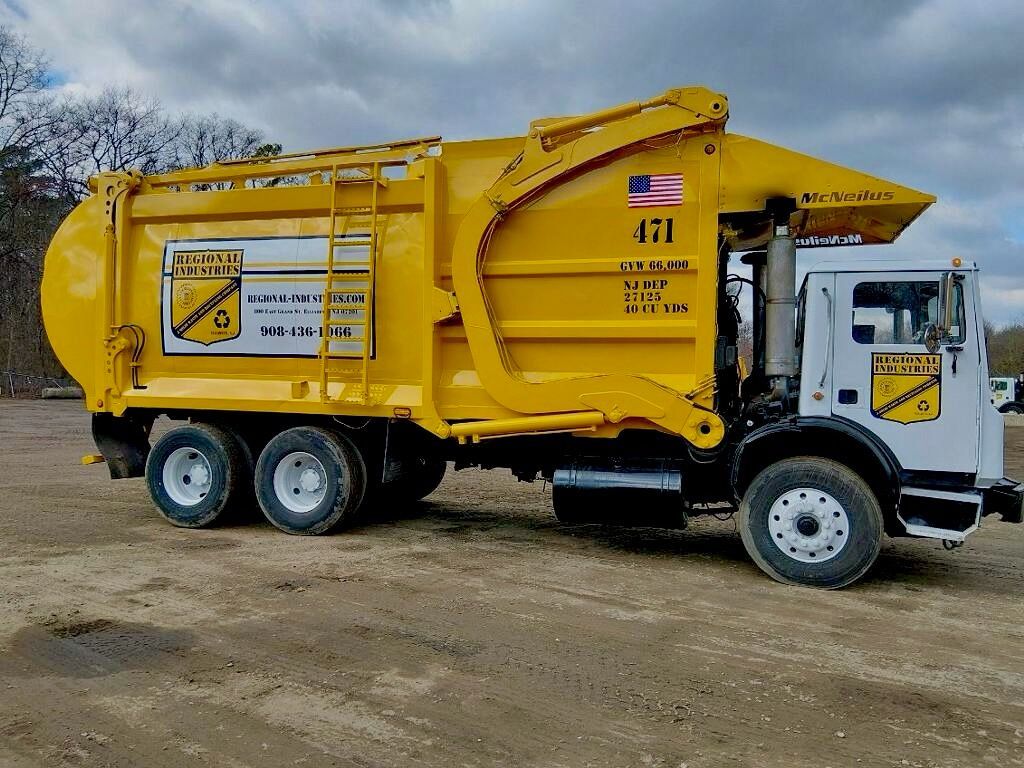
We provide commercial waste collection and recycling services for all of NJ.
Just some of our customers include:
Retail Stores
Office buildings
Apartment/condo complexes
Restaurants
We offer 1-10 cubic yard front load/rear load containers, along with curbside bag collection. Free waste audits, provided by our knowledgeable staff, will help determine the level of service needed for your specific business.
Let's discuss how we can help your business
For over 100 years, Regional Industries has been providing local businesses with the top quality service they deserve. Businesses with smaller amounts of commercial waste can sometimes get overlooked by large waste-hauling corporations.
The specialized needs of our customers throughout New Jersey are addressed with flexible schedules and a wide range of special-needs equipment. All the trucks in our fleet are equipped with GPS which allows us to record the exact time of day service was provided and respond quickly to special service requests by immediately identifying trucks in close proximity to your business.
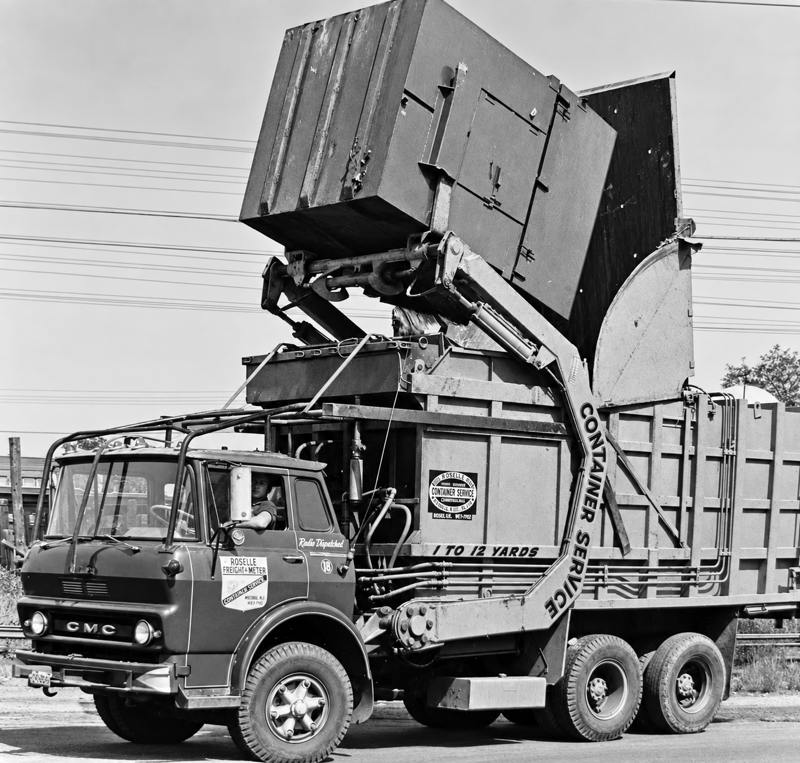

Front Load Containers for every business
One of the best things about front load containers is that they can be used in places that require ongoing trash removal. If you own an apartment complex, for example, you can get a front load container to provide your tenants with an excellent garbage collection solution. If you manage a restaurant, you can also get this type of container to easily dispose of the trash that your business produces every day.
We've listed some of the most common sizes used for commercial businesses and construction projects. The sizes vary slightly from container to container so the dimensions are approximate. If you have any questions at all about which one is right for you or would like to schedule a dumpster rental, please contact us online or call us at (908) 436-1966.
Let Us Be Your Partner In Waste Management
We offer personal customer care, with professionalism & a responsibility to our environment
Regional Industries
More than 5000+ satisfied commercial businesses throughout New Jersey
Operations That Run Without Waste Disruptions
Commercial Solid Waste & Recycling in Elizabeth for businesses managing daily refuse and recyclable materials
Retail centers generate cardboard, offices produce paper and packaging, restaurants create food waste and grease-contaminated materials, and warehouses handle pallets and industrial packaging—each requiring different collection approaches and container configurations. When waste accumulates faster than pickup schedules accommodate, loading docks become congested, dumpster areas overflow, and businesses face sanitation complaints or regulatory concerns. Regional Industries provides commercial waste collection and recycling solutions for offices, retail properties, schools, restaurants, warehouses, and mixed-use facilities across Elizabeth and the surrounding business districts, with customized schedules designed around operational needs rather than standardized routes.
Collection schedules align with business hours, waste generation patterns, and access limitations specific to each facility. Service professionals coordinate pickup timing to avoid delivery conflicts, customer traffic, and operational disruptions, using equipment sized for the containers and volumes each location produces. Recycling programs separate cardboard, paper, plastics, metals, and other recyclables from general waste streams, reducing landfill disposal and supporting sustainability initiatives.
Request a waste assessment to evaluate current volumes and identify recycling opportunities for your facility.
How Customized Schedules Address Operational Waste
Commercial waste collection involves evaluating waste types, generation rates, and facility access to determine container sizes, pickup frequency, and recycling separation methods. Restaurants with high food waste volumes require more frequent service than office buildings generating primarily paper and packaging. Container options range from front-load dumpsters for retail centers to compactors for high-volume warehouses, with placement coordinated around loading dock configurations and municipal zoning requirements.
Once service begins, waste and recycling containers remain within capacity, eliminating overflow that attracts pests, creates odors, or violates municipal codes. Recycling separation reduces the volume requiring landfill disposal, lowering costs and supporting environmental compliance. Businesses notice dumpster areas stay organized, pickups occur without operational interference, and waste management no longer requires daily attention from facility managers.
Service adjustments accommodate business expansions, seasonal volume changes, and special projects without requiring contract renegotiation. Regional Industries provides responsive customer service for schedule changes, emergency pickups, and container exchanges when operational needs shift.
Regional Industries
Answers to Frequent Service Questions
Businesses across Elizabeth's commercial and industrial corridors balance waste management with daily operations and budget constraints.
What factors determine commercial pickup frequency?
Waste volume, container capacity, business hours, and peak generation periods drive scheduling decisions, with restaurants and food retailers typically requiring three to six pickups weekly compared to offices served once or twice weekly.
How does recycling reduce overall waste costs?
Separating recyclables from general waste decreases landfill disposal fees and may generate rebates for high-volume cardboard and metal recycling, with cost reductions varying based on material types and contamination levels in Elizabeth service areas.
What container sizes suit different business types?
Retail centers commonly use two- to four-yard front-load dumpsters, warehouses utilize compactors for high-volume packaging, and restaurants often require separate grease containment in addition to general waste containers.
When should businesses evaluate waste service providers?
Reviewing missed pickups, overflowing containers, unresponsive customer service, and unexpected fee increases signals the need to assess current service performance and explore alternative providers.
How are recyclable materials processed after collection?
Separated recyclables are transported to processing facilities where materials are sorted, cleaned, and prepared for remanufacturing, with contamination from food waste or non-recyclable materials reducing processing efficiency and acceptance rates.
Regional Industries designs commercial waste and recycling programs around each business's operational requirements and sustainability goals. Contact us to schedule a facility waste assessment and receive a customized service proposal.