Industrial services and solutions
Custom designed to fit every need
High volume facilities like manufacturers, hospitals, retailers and warehouses often rely on the capabilities of a compactor service to reduce the overall frequency of their waste collection. Our wide range of industrial services provide our customer with immediate savings on their operating costs and bottom line.
If you're a high volume industrial facility, partner with Regional Industries to ensure solid service, performance and reliability. Please
contact us online
or call us at (908) 436-1966
to speak with a specialist.

Self Contained Compactors
Available in many sizes and styles, they're perfect for both wet & dry waste materials.
Stationary Compactors
Available in many sizes and styles, they're perfect for dry waste materials including wood waste, plastic, cardboard, and paper.
Open top roll-off containers
Great for accommodating mid to high volume facilities, perfect for warehousing & distribution centers.
Compactor types and sizes depend on your facility size and current waste and recycle volume being generated. Each compactor install is unique to the location and designed specifically for that customer. Our professional compactor sales team will work with you in deciding the most economical compactor solution for your business.
In addition to compactors, we also offer temporary open top containers that are perfect for general cleanouts, construction and demolition work, brick, concrete, scrap metal, wood, etc.
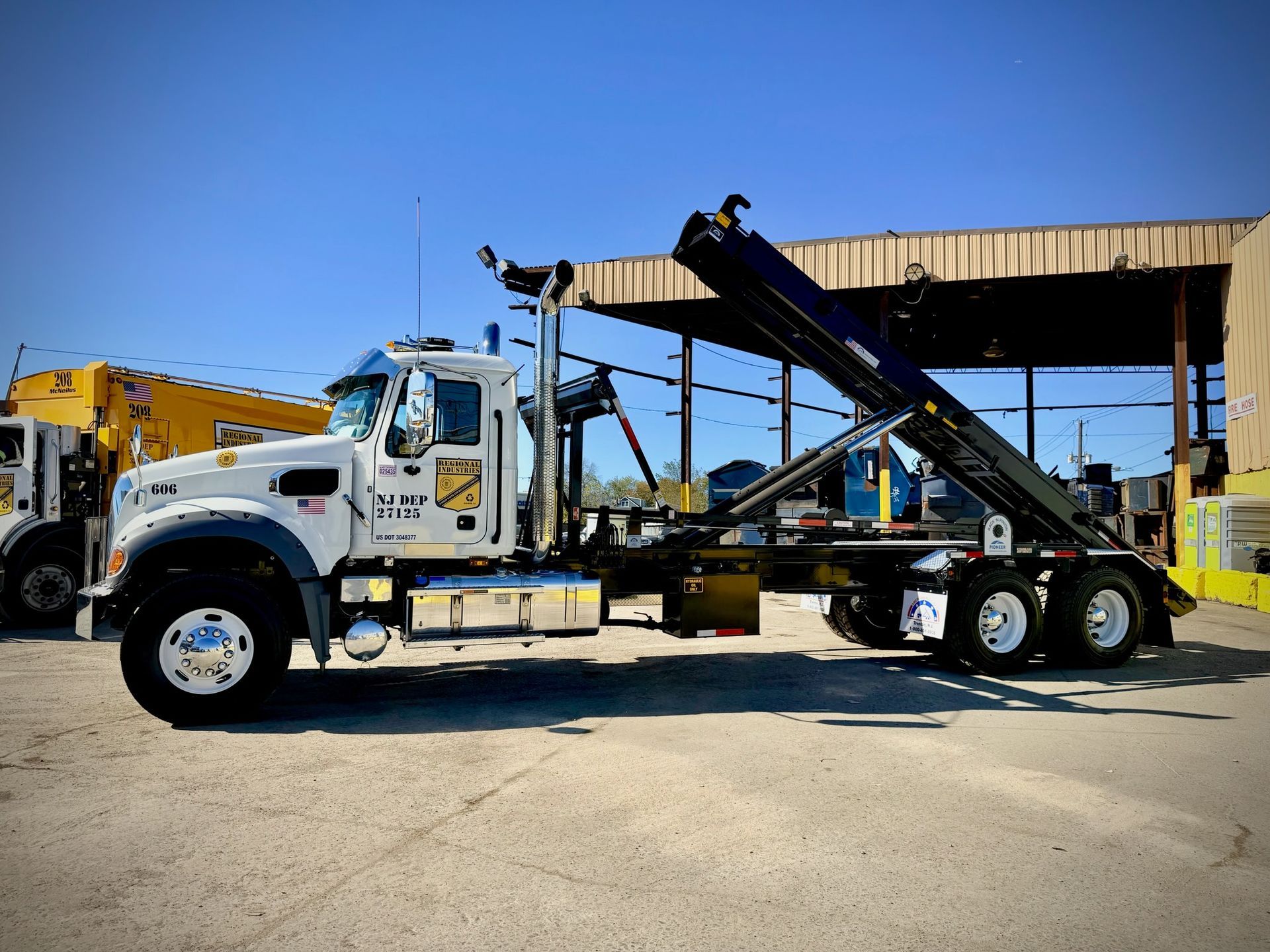

Self Contained Compactors
Self Contained Compactors are available in a variety of sizes and styles and are primarily used at facilities producing wet waste, however they can be used for dry waste as well, making them perfect for locations that have confined space.
Examples include:
Hospitals
Food production facilities
Restaurants
Multi-use buildings
Supermarkets
We've listed some of the most common sizes and applications. The sizes vary slightly so the dimensions are approximate. If you have any questions at all about which one is right for you or would like to speak with a specialist, please contact us online or call us at (908) 436-1966.

Stationary Compactors
Stationary compactors are available in a variety of sizes and styles and are primarily used for dry waste materials including wood waste, plastic, cardboard, and paper.
Examples include manufacturing facilities, logistic warehouses, millwork manufacturing, and distribution centers.
Examples include:
Manufacturing facilities
Logistic warehouses
Millwork manufacturing
Distribution centers
We've listed some of the most common sizes and applications. The sizes vary slightly so the dimensions are approximate. If you have any questions at all about which one is right for you or would like to speak with a specialist, please contact us online or call us at (908) 436-1966.
Compactors are ideal for customers who produce large volumes of waste and recycling. Compactors are a great way to reduce your waste and recycling bills by reducing the frequency of collection. Ideals users for a compactor include hospitals, hotels, universities, manufacturing, warehousing, food producers, restaurants, large residential buildings and many more.
Advantages of a compactors
- Reduce costs by eliminating weekly hauls or decrease your pickup frequency
- Save space in your waste storage enclosure
- Avoid trash and cardboard overflow
- Enclose and protect cardboard from freezing or getting wet
- Neater and more visually appealing for customers and employees
- Multiple sizes and configurations are available for your business’s specific needs
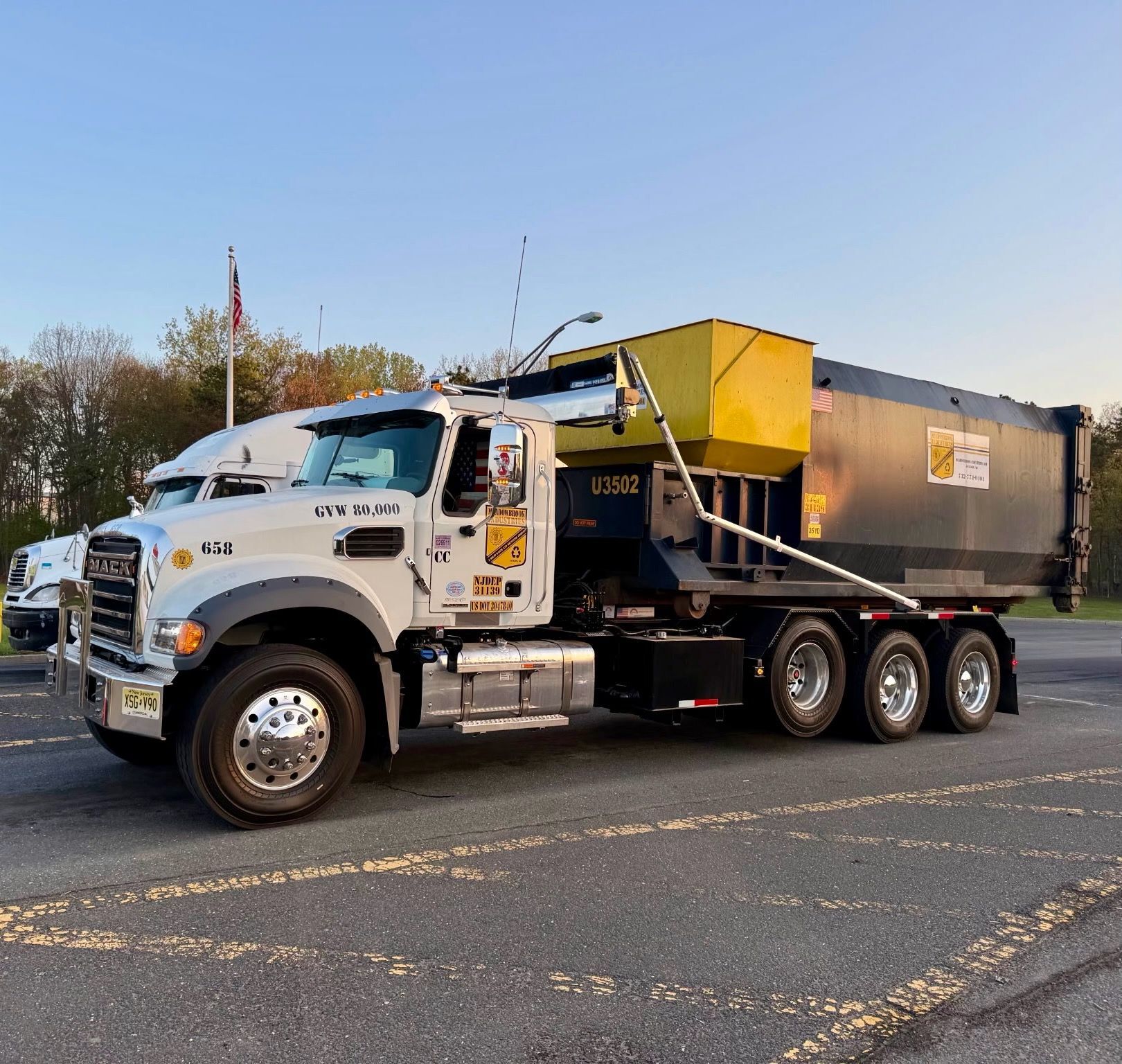

Roll-off services for all industrial services
We have just the right container available for all of your industrial needs. All you have to do is load it, we'll take care of the rest!
We've listed some of the most common sizes used for industrial waste collection. The sizes vary slightly from container to container so the dimensions are approximate. If you have any questions at all about which one is right for you or would like to schedule a dumpster rental, please contact us online or call us at (908) 436-1966 to speak with a specialist.
Let Us Be Your Partner In Waste Management
We offer personal customer care, with professionalism & a responsibility to our environment
Regional Industries
More than 2000+ satisfied industrial businesses throughout New Jersey
Facilities Built Around Uninterrupted Production
Industrial Solid Waste & Recycling in Elizabeth for manufacturing plants managing production refuse and recyclable materials
Manufacturing plants, distribution centers, and warehouses generate scrap metal, packaging materials, pallets, production byproducts, and equipment waste at volumes that overwhelm standard commercial collection systems. Regional Industries provides industrial waste management and recycling solutions for facilities where waste removal directly impacts operational efficiency, floor space availability, and compliance with environmental regulations. Industrial schedules coordinate with shift patterns, production cycles, and logistics operations across Elizabeth's manufacturing and warehouse districts, ensuring collection occurs without disrupting inbound shipments, outbound loading, or facility access.
Collection timing aligns with production schedules and dock availability, with service frequency adjusted to prevent accumulation that limits workspace or creates safety hazards. Durable containers and specialized equipment handle industrial materials including metal scrap, wood waste, plastics, and contaminated production refuse. Recycling programs identify reusable materials such as metals, cardboard, plastics, and wood, diverting recyclables from landfills and recovering value from production waste streams.
Arrange an industrial waste consultation to evaluate current disposal costs and recycling opportunities.
What Proper Industrial Collection Requires
Industrial waste management begins with understanding material types, generation rates, and facility layouts to determine container specifications, placement locations, and pickup logistics. Manufacturing facilities producing metal scrap require containers that withstand sharp edges and heavy loads, while distribution centers handling packaging waste benefit from compactors that reduce volume and pickup frequency. Service providers coordinate with facility managers to schedule pickups during low-traffic periods, avoiding conflicts with shift changes, truck deliveries, and production deadlines.
You notice production areas remain clear of waste buildup, recyclable materials are separated before contamination occurs, and containers are exchanged on schedule without requiring follow-up calls or service delays. Floor space previously used for waste storage becomes available for equipment, inventory, or expanded operations, while recycling revenue offsets disposal costs for high-value scrap materials.
Industrial service plans accommodate production increases, new product lines, and seasonal demand fluctuations without fixed contract limitations. Facilities benefit from consistent service that minimizes operational disruptions and maintains compliance with waste handling regulations specific to industrial operations.
Regional Industries
Common Questions About This Service
Industrial facilities in Elizabeth and surrounding areas manage waste as a critical component of operational efficiency and regulatory compliance.
What container types handle industrial production waste?
Front-load dumpsters, compactors, and open-top containers serve different industrial needs, with compactors reducing pickup frequency for high-volume facilities and open-top containers accommodating oversized scrap metal, wood waste, and equipment debris.
How does recycling improve industrial waste management?
Separating metals, plastics, cardboard, and wood from general waste reduces landfill fees, generates scrap value for recyclable materials, and supports environmental compliance initiatives required by industrial permits in Elizabeth manufacturing zones.
What timing works best for industrial pickups?
Scheduling collection during second or third shifts, weekends, or off-peak hours prevents dock congestion and avoids interference with inbound shipments, outbound loading, and workforce access during primary production periods.
When should facilities reassess waste service providers?
Frequent missed pickups, inability to accommodate production schedule changes, or lack of recycling support indicates service limitations that impact operational efficiency and disposal costs.
How are hazardous industrial materials handled?
Waste containing chemicals, oils, solvents, or regulated substances requires specialized disposal through licensed hazardous waste contractors, with separation protocols preventing contamination of general waste and recyclable material streams.
Regional Industries structures industrial waste programs around production schedules, material types, and facility-specific requirements. Request a facility evaluation to review waste volumes and develop a customized industrial collection plan.